617.413.5011

Industries

SEAWATER DESALINATION

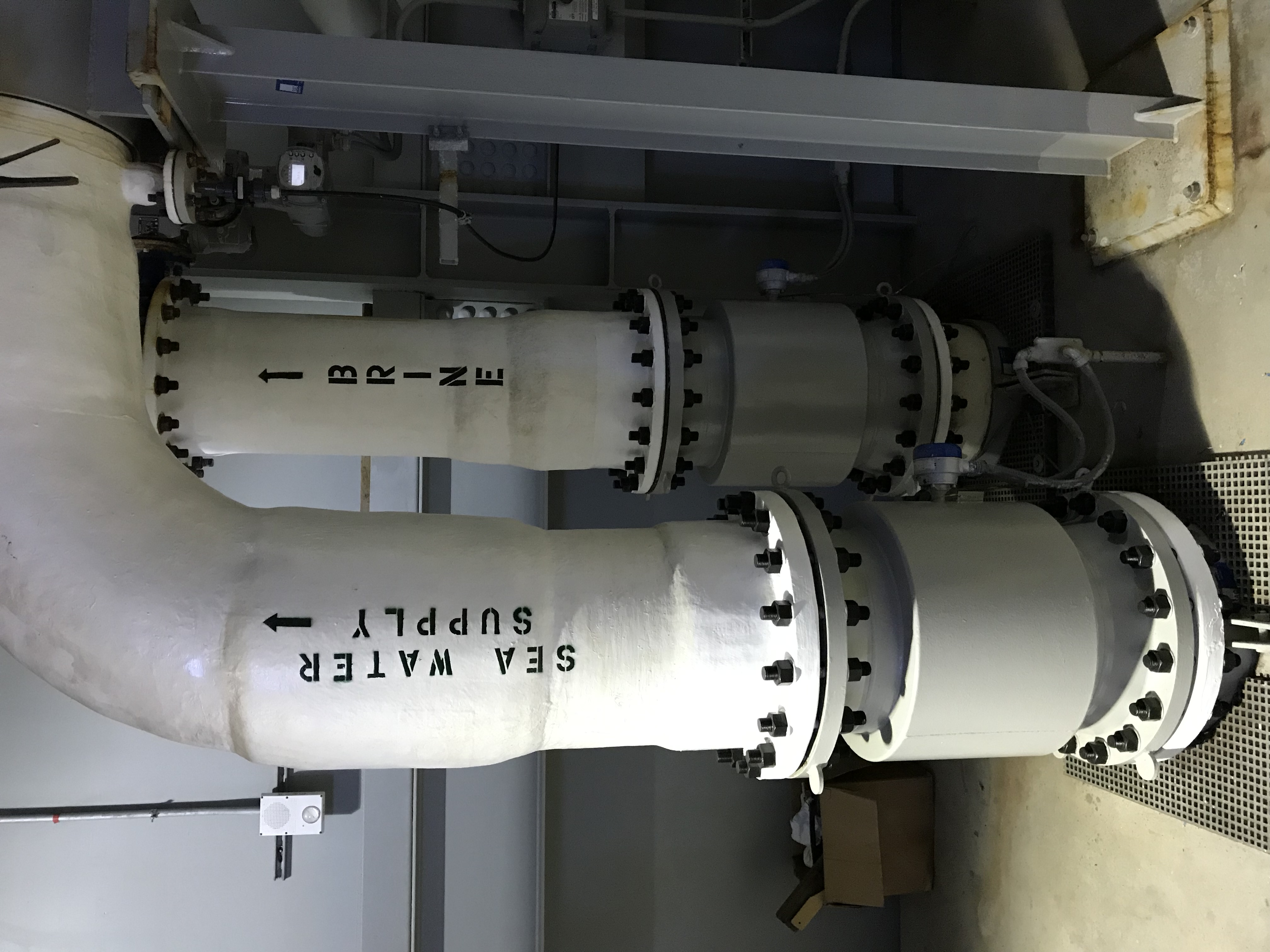
TWB has assisted seawater desalination proponents in developing their projects. We have helped translate regulatory language into practical engineering solutions, develop compliance strategies, analyze potential marine life impacts (impingement and entrainment), and communicate technical information to regulators. TWB’s Tim Hogan has worked on desalination projects in the United States and Saudi Arabia and participated in/spoken on the topic of fish protection at intakes in Australia, Bahrain, Chile, France, Germany, Ireland, Saudi Arabia, Spain, Sweden, and the United Arab Emirates.
THERMAL POWER GENERATION

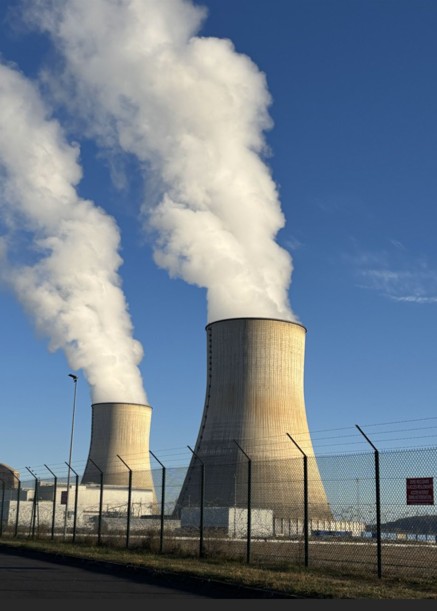
Thermal power generators in the United States must comply with section 316(b) of the Clean Water Act. Reporting requirements vary based on the facility flow and permit Directors’ preferences. TWB has a strong understanding of the final 316(b) Rule and its requirements. Also, as generators begin to develop 316(b) compliance plans, regulators are likely to revisit 316(a). Being prepared is key to managing these regulatory requirements.

The increasing support for nuclear power also demands careful attention to plant reliability aspects. The nuclear industry has seen a recent uptick in support, fueled in part by the growth of the artificial intelligence boom. This has resulted in increased applications for lifetime extensions at existing traditional nuclear plants and proposals for new small modular reactors (SMRs) at decommissioned fossil power plant sites. Operating existing nuclear facilities on an extended lifetime or new SMRs at repurposed site requires that practitioners give careful consideration to plant reliability. This includes consideration of whether the original design basis may need to be revisited due to changing environmental conditions (e.g., increased fluctuation in water levels and water quality), whether thermal discharge limits may threaten future operation, how new intake threats can be forecasted/managed (e.g., jellyfish that can clog intakes), and whether existing intake screening infrastructure needs to be upgraded. TWB plays an active role in researching solutions to all of these cooling water system reliability challenges.
AQUACULTURE
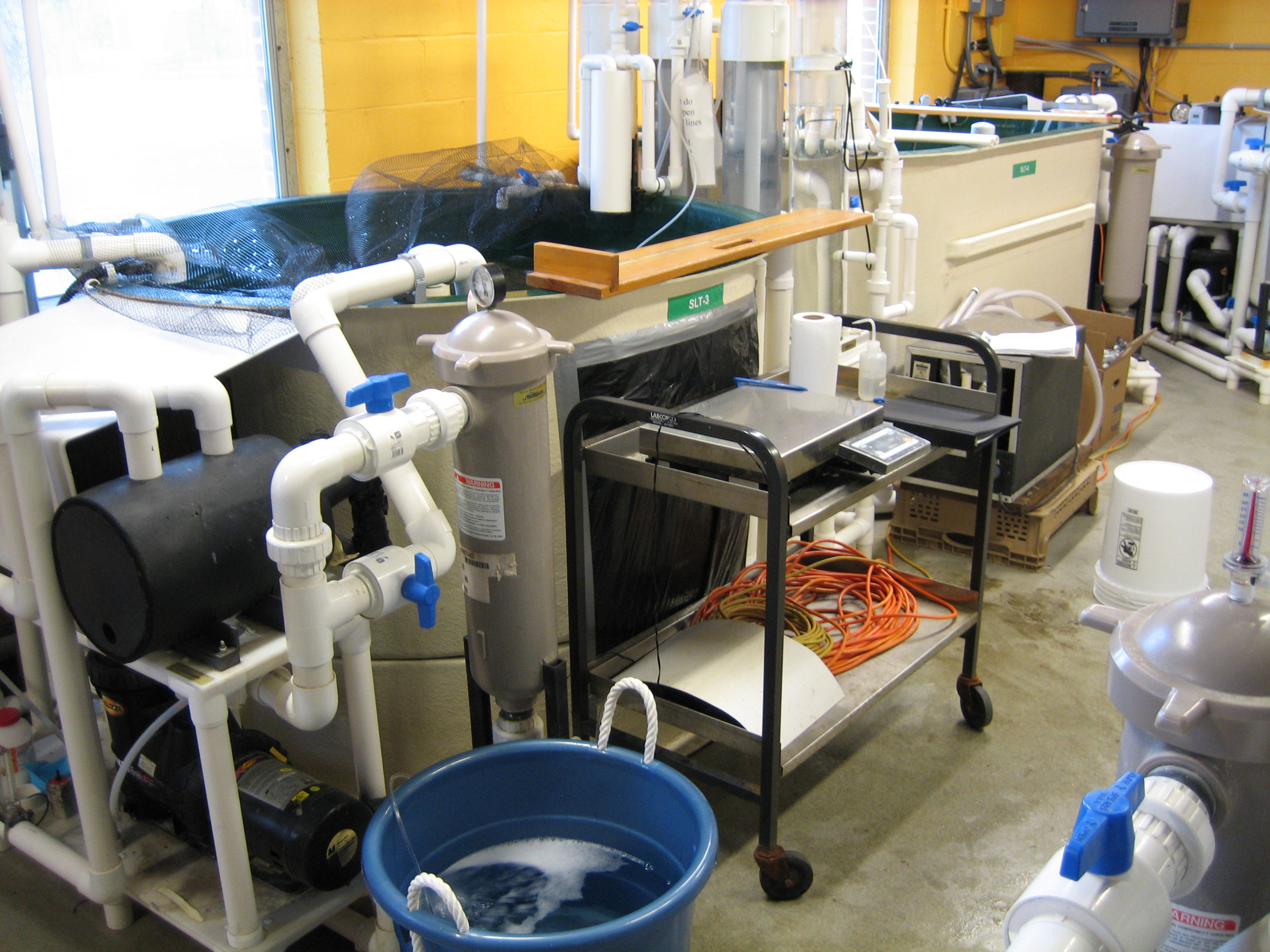
Aquaculture has become an increasingly important component in the effort to supply healthy protein to the world’s population. However, a number of challenges face aquaculture project proponents such as control/minimization of environmental impacts, efficient operation and maintenance of system components (especially in challenging marine aquaculture settings), innovation of new technologies that increase efficiency or reduce costs, and prolonged permitting timelines. TWB has a strong understanding of these issues and how they affect the growth of the aquaculture industry as well as a deep network within the industry spanning from academics to equipment vendors and regulators.

MARINE RENEWABLE ENERGY

Coastal and offshore marine energy projects such as ocean thermal energy conversion (OTEC) and hydrokinetic and wave generation technologies hold potential for generating carbon-free energy. However, there are potential technological, financial, social, and environmental challenges to their commercialization. Careful consideration must be given to the siting and operational details of such devices. TWB is familiar with the various marine renewable energy technologies and has specific expertise in the design and potential environmental impact of OTEC and hydrokinetic turbines.

OFFSHORE OIL AND GAS

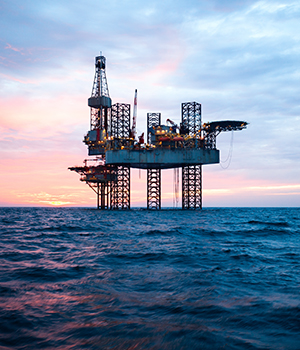
Offshore oil and gas facilities withdraw seawater for cooling and other processes. In the United States, these facilities typically fall under the umbrella of section 316(b) of the Clean Water Act. Demonstrating that the intakes and discharges represent the best technology available for minimizing environmental impacts while still ensuring reliable performance in an unforgiving offshore environment can be a delicate balance. TWB is familiar with the regulatory requirements that govern the protection of marine life at these offshore facilities.

HYDROELECTRIC POWER

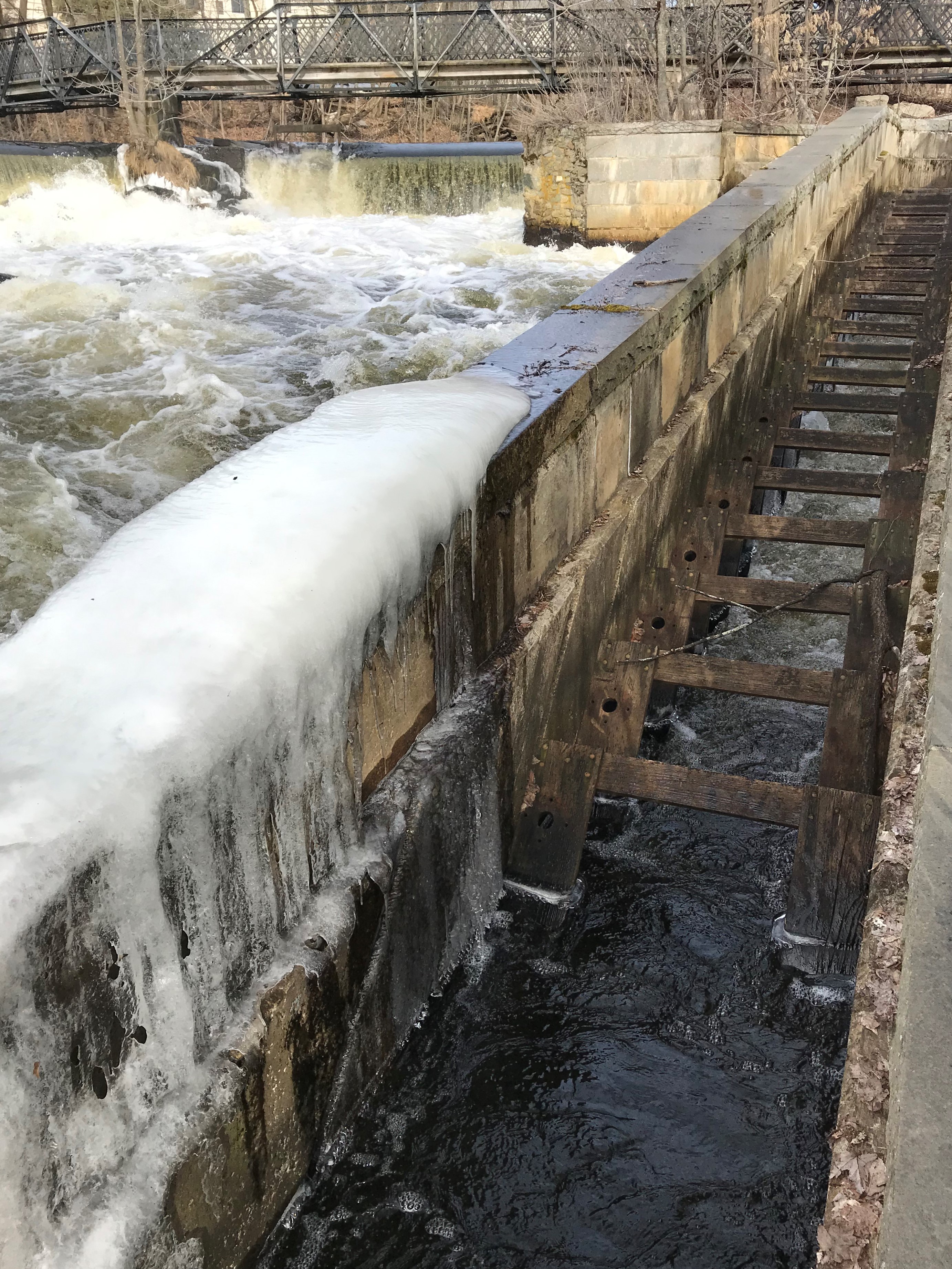
Hydroelectric power facilities present a number of potential issues for aquatic life, from up and downstream fish passage to water quality in the tailrace and bypassed reach. Although the existence of hydropower dams will always impact aquatic life, there are many means to minimize these impacts. TWB has the specialized fish biology and hydraulic expertise required to identify the technological and operational approaches best suited to each project.